
by Renee Schofield, CEO
As Americans breathe a sigh of relief that the government is back in business, many likely haven’t yet noticed that one provision in the legislation to end the shutdown was the Hemp Bill. Signed into law on November 12, 2025, the legislation, with the reopening language, also includes language that will effectively ban many hemp-derived products currently widely available in the market.
A little history. Hemp came into play in 2018 as part of the Farm Bill. By differentiating hemp from Marijuana and THC, it was removed from the Controlled Substances Act, reclassified as an agricultural product, and legalized on a federal level. Under the Farm Bill, hemp was broadly defined to include any cannabis plant, and any part of the plant, derivative, extract, or cannabinoid from the plant, that contains 0.3% concentration or less of delta-9-THC, which is the cannabinoid most commonly known for giving users a “high.” The cannabis plant produces dozens of different cannabinoids, some high-producing and some not (like CBD). Marijuana and hemp produce the same cannabinoids, just in different amounts. Marijuana contains more THC, while hemp contains more CBD. This broad definition allowed for a wide range of new products to be created, including vapes, oils, edibles, etc., which were all legal as long as the product contained 0.3% of delta 9-THC or less. Immediately, these new products grew into a 40 BILLION-dollar industry, and they were easily available to of-age users. Bear in mind that there has been no legal oversight by any agency to ensure the safety of these products or that the THC content was measured accurately.
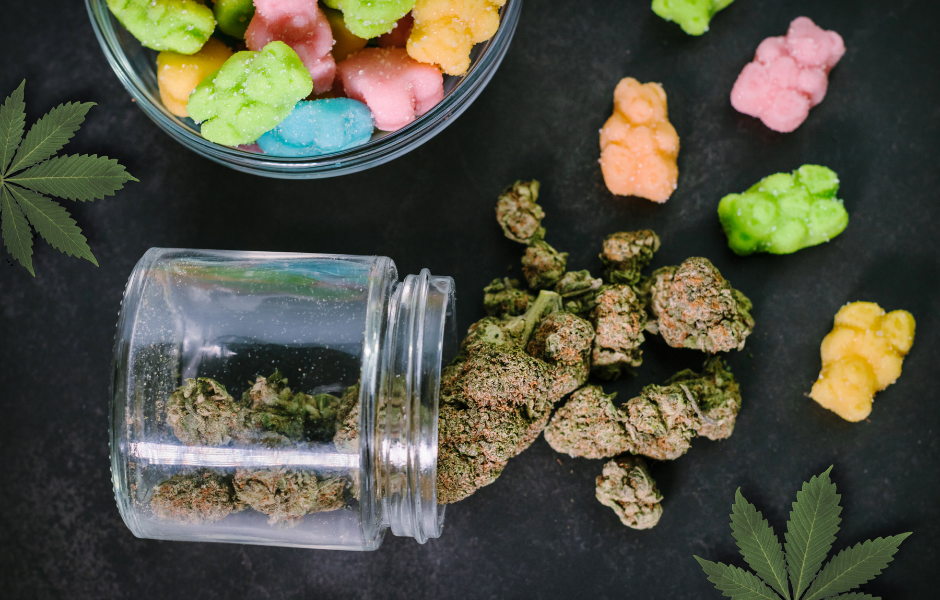
Enter the new law. The new law redefines hemp, requiring the TOTAL THC content to be no more than 0.3%, now including delta 9, delta 8, THCA and other isomers. This much stricter definition under federal law will effectively remove all edibles from the market by November 2026, which is when the bill takes effect. Of course, this is provided there are no legal challenges (I am sure there will be), and it will also depend on tweaks made by lawmakers during the coming months.
Why this is happening and why it matters
The original 2018 Farm Bill legalized hemp (with a THC limit), but didn’t clearly regulate intoxicating hemp-derived cannabinoids (like delta-8 THC). This created a loophole that many companies exploited to produce edible/infused products. Critics of the 2018 legislation argue that these “loosely regulated hemp THC” products pose public health risks, especially because they can be sold easily and look like non-intoxicating candies or drinks. The new restrictions, they say, close a regulatory gap and safeguard children by capping potency and limiting the ability of businesses to market these products.
On the other hand, hemp industry groups warn these rules could “destroy” a large part of the legal hemp market, putting many jobs at risk.
Time will tell. More decisions will be made and I am confident that we’ll see changes to the language.