
Love, romance, and valentines are top of mind in February. More importantly, it’s also American Heart Month. Did you know that every 40 seconds, someone in the USA has a heart attack? Or that one in five heart attacks is silent? This means that damage caused by a heart attack may go unnoticed and untreated for an extended period of time and increase the risk of having another, potentially deadly, heart attack.
According to the Centers for Disease Control and Prevention (CDC): “A heart attack, also called a myocardial infarction, happens when a part of the heart muscle doesn’t get enough blood. The more time that passes without treatment to restore blood flow, the greater the damage to the heart muscle.”
Coronary artery disease (CAD) is the main cause of heart attacks. A less common cause is a severe spasm, or sudden contraction, of a coronary artery that can stop blood flow to the heart muscle.
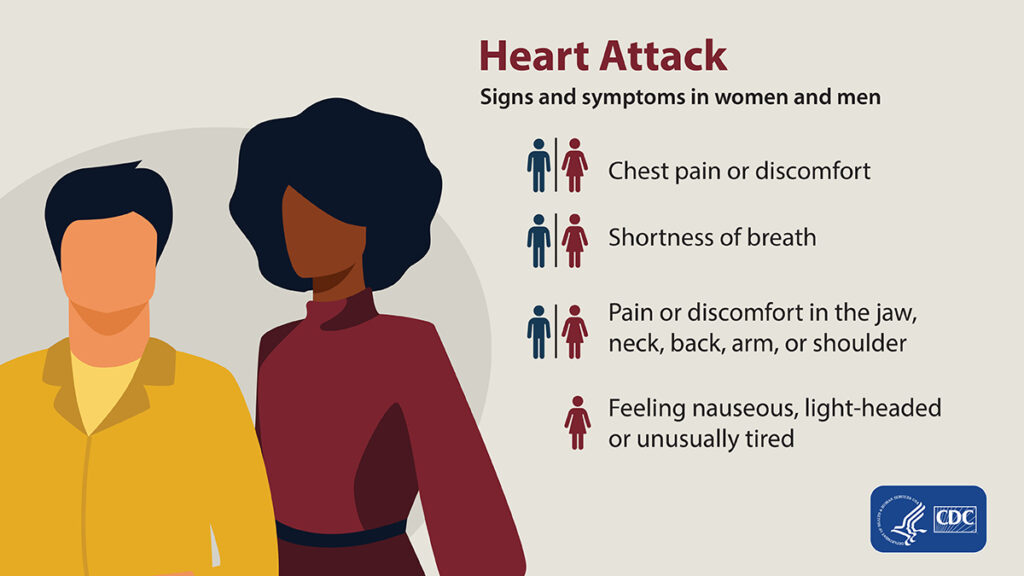
Symptoms
Risk factors
The most common risk factors for heart attacks include:
- High blood pressure.
- High LDL (low-density lipoprotein) cholesterol
- Smoking
- Diabetes
- Excess weight
- An unhealthy diet
- Physical inactivity
- Drinking too much alcohol
- Stress and depression
Take action
What can you do to lessen your risk of a heart event?
- Exercise – Simple daily walking for at least 15 minutes per day.
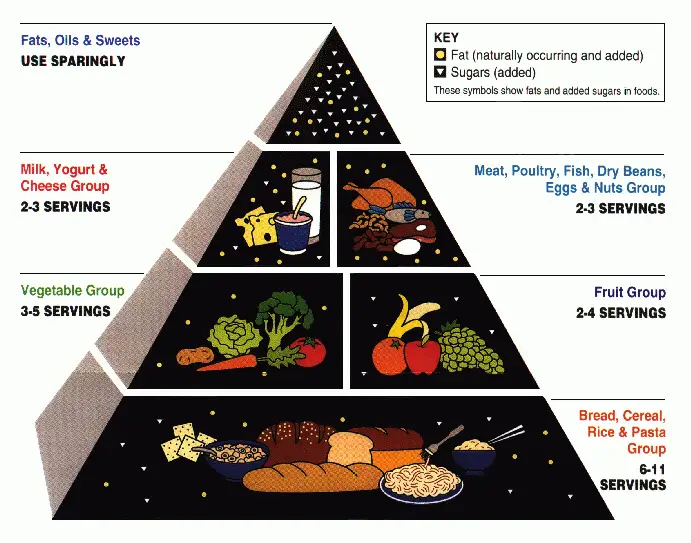
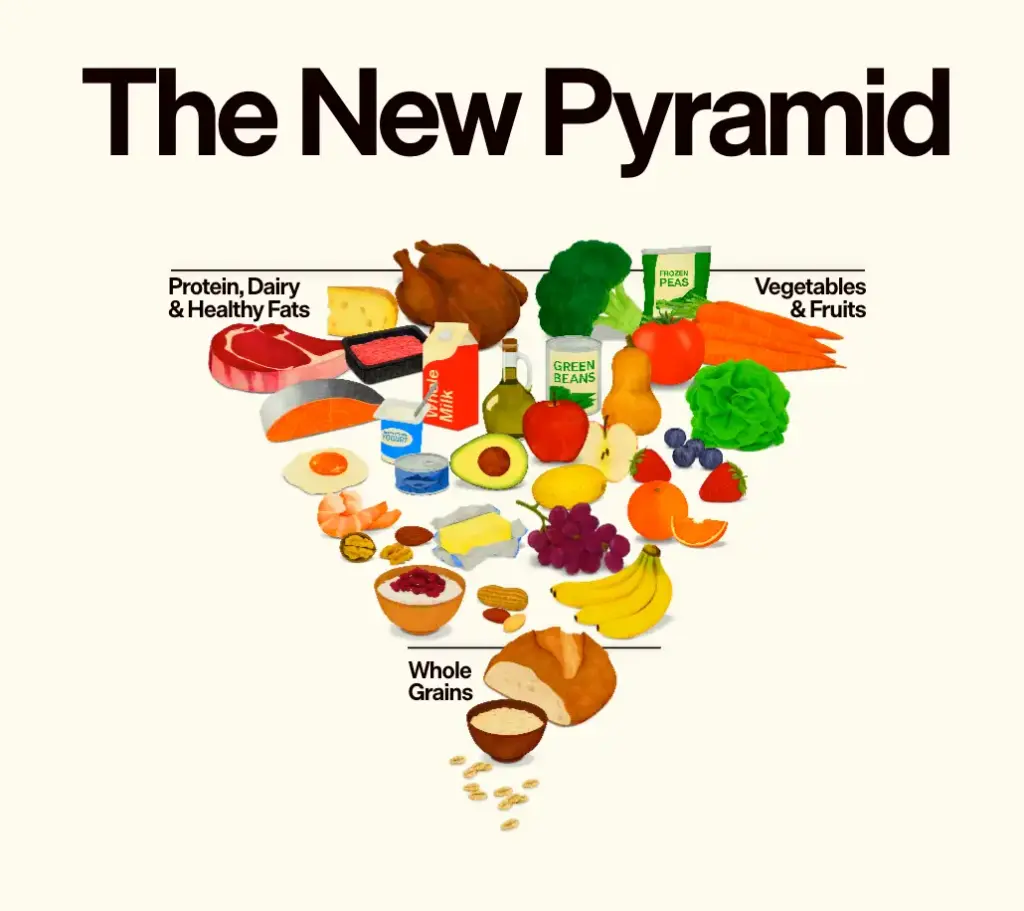
- Diet – Make sure you eat a healthy variety of foods. The food pyramid has recently been changed and is very different than what we are accustomed to. Ask your doctor for an opinion on how this plan interacts with your current health.
The Traditional Pyramid
- Stress management – Find ways to manage stress levels at work and at home. Some of us might need to seek expert advice from a counselor. Others might find that gardening, reading, cooking, and other activities we enjoy help us work through a high-stress time.
Help others
February is all about raising awareness about heart health and we can all do our part. For example, consider participating in National Wear Red Day on February 6 to support women’s heart health. Cardiovascular Disease is the No. 1 killer of women. Raise recognition in your workplace, your community and your circles of people. TALK about how to improve the health of the women in your life.
Take a CPR class. There are many ways to get this important training. It is proven that CPR saves lives. ASK TSS about becoming CPR certified.
Locate the AED in your workplace or your shopping center. Make sure your kids know where it is! SAVE TIME in an emergency.
Finally, if someone you know is short of breath, having heart palpitations, looks unwell or is experiencing other symptoms of heart distress: 911… 911… 911. We cannot say it enough. USE THE NUMBER.