
At TSS, we believe knowledge is power and the best way to combat substance use in the workplace, prevent substance abuse and protect public safety is to be informed. So, let’s take it in small bites. Each month, we’ll share information about an illicit drug that is commonly abused so that you have the power.
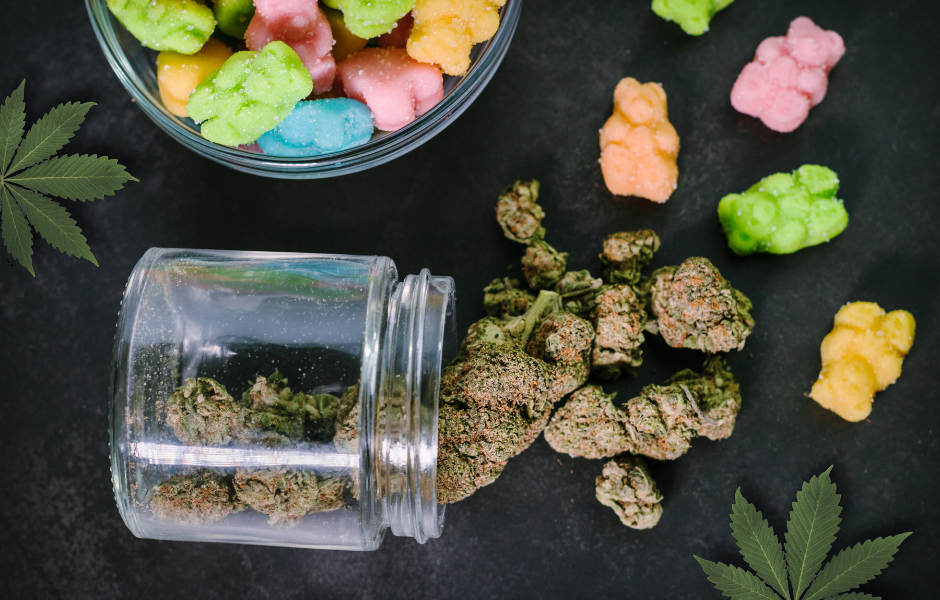
Edible Cannabis (also known as edibles) products are products containing cannabinoids that you eat or drink. They are products infused with cannabis extracts, primarily tetrahydrocannabinol (THC), the psychoactive compound that produces a “high” and affects your mind and body when consumed. Although some edibles may look like ordinary food, they are not food and are not intended to provide any nutritional value. They are a popular alternative to smoking and offer a discreet way to consume cannabis with longer-lasting, more potent effects.
Things to Know:
- Because there is no oversight at the federal level and edibles are not regulated by the FDA, they can vary widely in their appearance and ingredients, including how much THC and CBD they contain. In addition, depending on the state, there is a patchwork of rules about accurate labeling or product safety. So, buyer beware!
- Edibles have a delayed onset of effects. The process can take anywhere from 30 minutes to two hours to begin. This frequently leads to overconsumption and can result in severe THC toxicity. Symptoms can include anxiety, panic attacks, nausea, vomiting, confusion, paranoia and psychosis.
- The effects of ingesting THC last longer than inhaling, often 4 to 8 hours, with residual effects potentially lasting up to 24 hours. When first ingesting, the THC travels to your stomach and then to your liver, before making it to you blood stream and brain. Impairment can vary for individuals. Therefore, do not drive or operate heavy equipment for an extended period of time after ingesting edibles.
- Edibles may look harmless, coming in a range of forms, including gummies, chocolates, baked goods (brownies, cookies), drinks, tinctures and capsules. They can appeal to adults, children and pets. This has led to a sharp increase in unintentional cannabis ingestion in recent years. For example, the rate of cannabis-related calls to the California Poison Control System more than doubled from 2016 to 2024. The largest spike in exposure was seen among children under the age of 6 (445%).
- Adults should not consume edibles in front of children and keep all cannabis products in their original packaging, stored in a locked cabinet, out of reach and sight of children and pets.
- Do not mix cannabis with alcohol or other substances. Alcohol increases the intoxicating effects. And, combining edibles with stimulants and depressants creates significant and unpredictable health risks, including potentially life-threatening conditions like severe cardiovascular problems and dangerous levels of cognitive impairment.
- Daily or near-daily use increases the risk if dependency and can bring on or worsen disorders related to anxiety or depression.
Call the Poison Hotline at 1-800-222-1222 if a child has accidentally consumed cannabis products or an adult is experiencing unwanted side effects like confusion, panic attacks, dizziness, or a fast heart rate.