At TSS, we believe knowledge is power and the best way to combat substance use in the workplace, prevent substance abuse and protect public safety is to be informed. So, let’s take it in small bites. Each month, we’ll share information about an illicit drug that is commonly abused so that you have the power.
Fentanyl is a synthetic opioid. Fentanyl is 50 times stronger than heroin and 100 times stronger than morphine.
Of the approximately 76,516 opioid overdose deaths in 2025, the Centers for Disease Control and Prevention (CDC) estimates that nearly 60% involved synthetic opioids, primarily fentanyl.
Fentanyl was originally used for extreme pain via pharmaceutical-grade lozenges, patches, or injections. Strict medical supervision is necessary to ensure patient safety. The drug works by binding to the opioid receptors to block pain messages to the brain.
Fentanyl is also illegally manufactured and sold via the black market and is often mixed with other drugs, and has been flooding the market through its presence in counterfeit prescription drugs. The main danger of illicit fentanyl is its extreme potency; as little as two milligrams (equivalent to a few grains of salt) can be a lethal dose, depending on a person’s tolerance. Because it is often odorless and tasteless, a person may unknowingly ingest and be poisoned or overdosed. When exposed to fentanyl, a person may experience respiratory arrest, coma, or death.
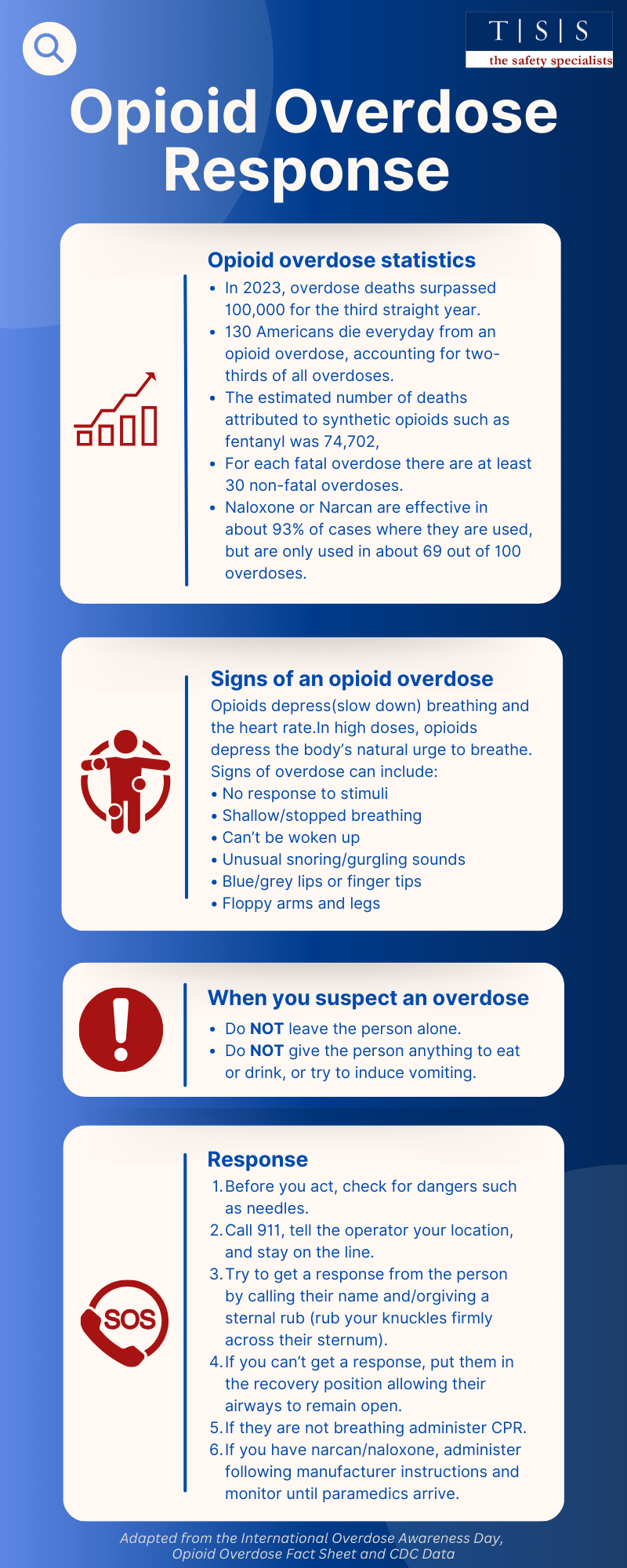
Naloxone (trade name Narcan) can potentially reverse the effects of a fentanyl overdose. The kits are available in most communities and are easy to administer (get a 10-minute training when you pick up your kit). Narcan may bring the victim back to consciousness, but the victim should still visit the emergency department.
In an overdose emergency:
- Call 911
- Administer Narcan, if available.
- Maintain the victim’s airway and place them in the recovery position.
- Stay until help arrives.